
Global Learning, Local Vision: Rungta University Studies Education Models in Finland, Paris, and Athens
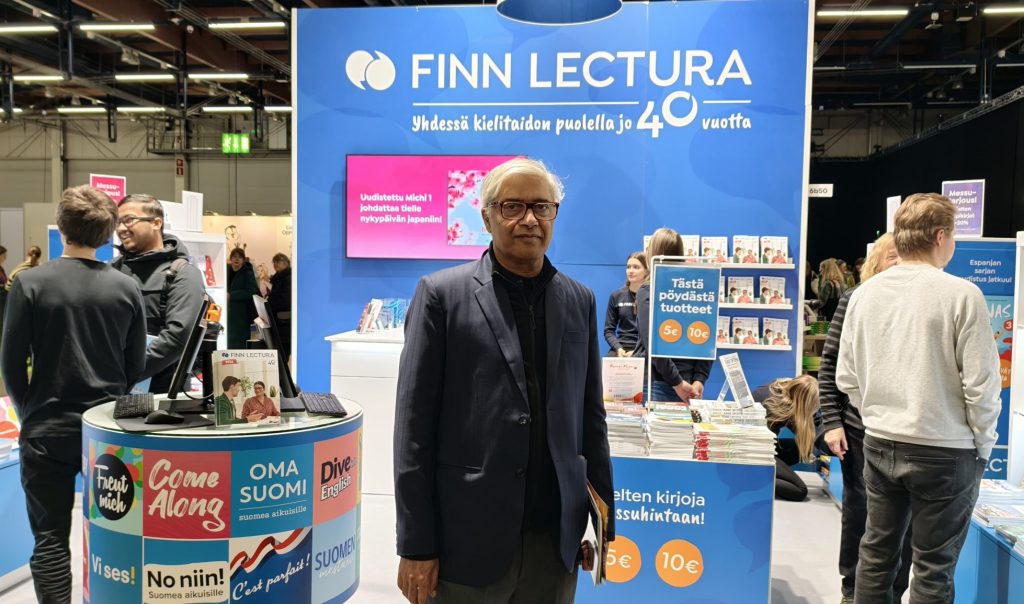
Rungta University explores global education models through academic visits to Helsinki, Paris, and Athens, aiming to integrate international best practices with a strong local vision for innovation in higher education.
In an effort to explore new knowledge and new horizons, higher educational institutions worldwide are looking towards international academic visits to shape the future of learning. In this direction, an international academic visit by a delegation nominated by the Chhattisgarh Government, with VC Dr. Jawahar Surisetti nominated by the Government to be part of the panel, to Finland, Paris, and Athens has helped to inject new knowledge into the higher educational system of Chhattisgarh.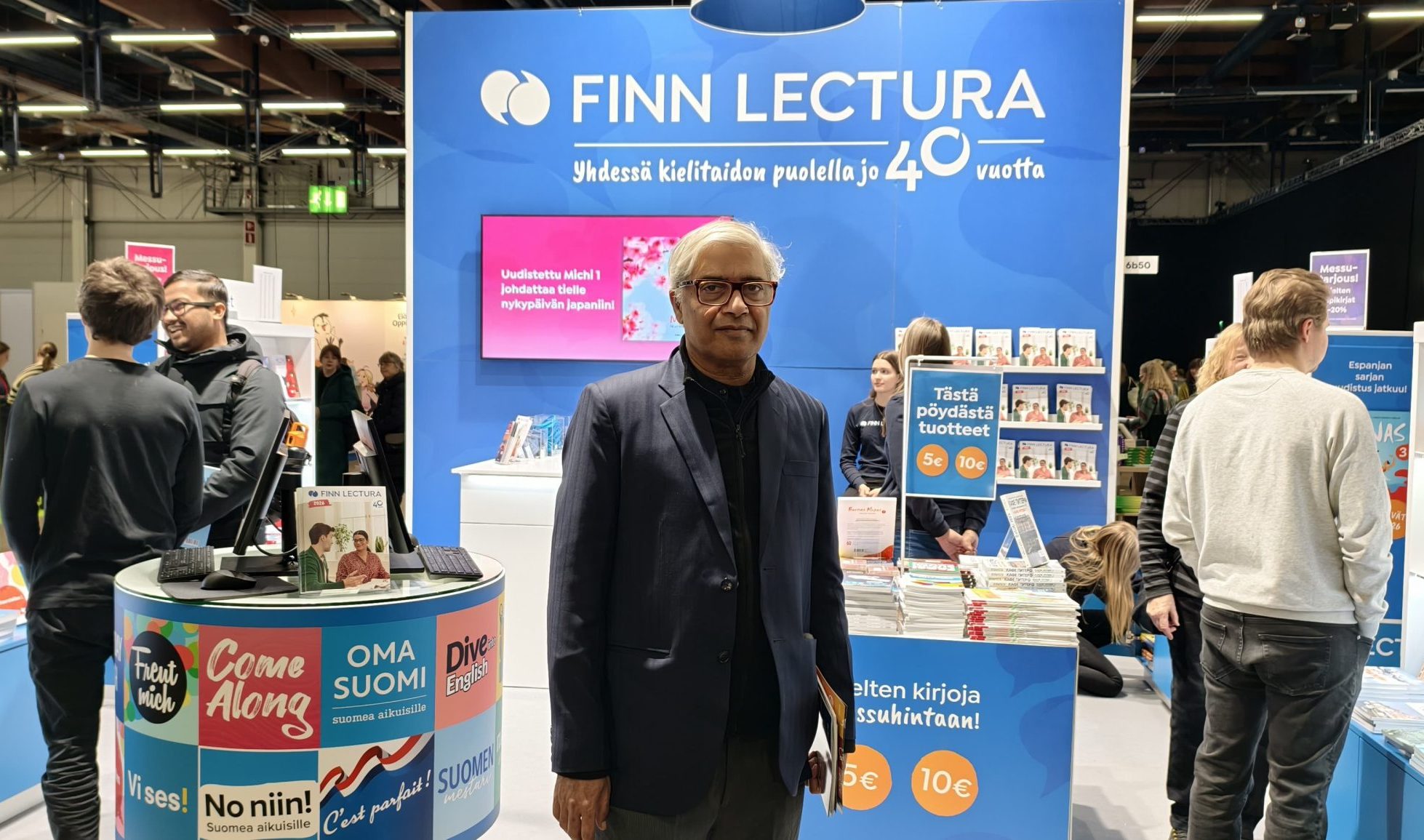
The international academic visit by the delegation has been designed to study key areas that have been transforming higher educational systems across the world, such as student well-being, learning in multiple languages, and classical knowledge systems, which have been reflected in the new education policy 2020.
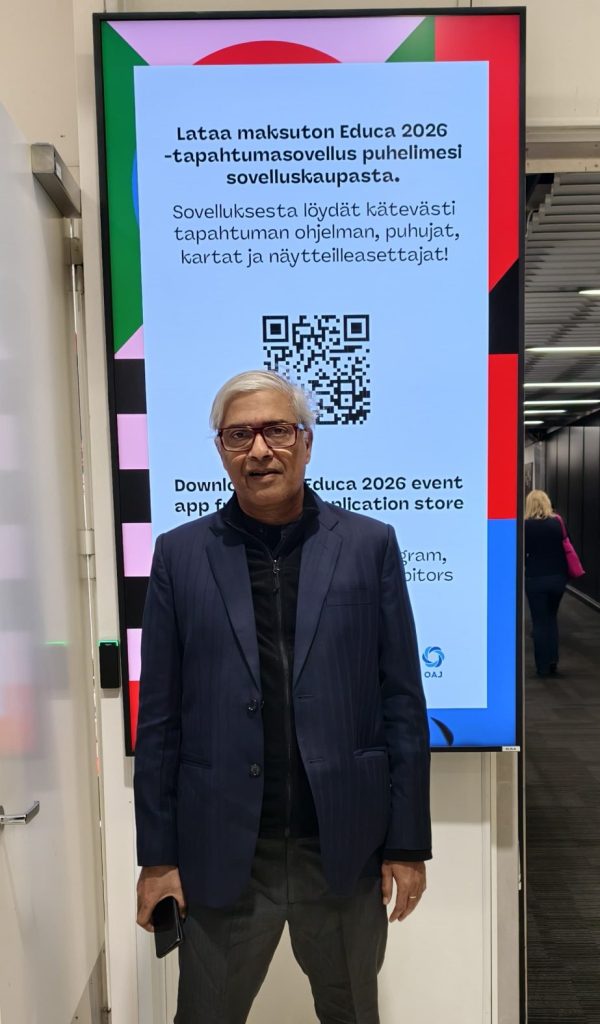 Finland: Education Focused on Well-Being
In Finland, which is considered one of the most effective education systems in the world, the delegation learned about the strong correlation between the achievement of students and their well-being, as well as the autonomy of teachers in the classroom.
In Finland, the education system focuses on reducing the hours of learning for students, reducing tests for young students, and using play-based learning to encourage the curiosity and creativity of students. This demonstrates the significance of cultivating the curiosity of students while reducing the pressures of academic learning.
Paris: Language as a Bridge to Global Learning
The delegation, as part of their visit to Paris, focused on the structured approach to multilingual learning in France, with institutions such as Alliance Française playing an important role in the country’s educational landscape. The approach is a blend of culture and language and is underpinned by the internationally accepted Common European Framework of Reference for Languages.
Such approaches show how language learning is a bridge to other cultures, as well as being a platform for global learning for students.
The learning is relevant for institutions such as Rungta University, as it is also part of the overall approach being taken in India for higher learning.
Athens: Classical Knowledge in Contemporary Education
The tour of Athens provided an opportunity to understand the extent to which the learning of the past continues to shape the learning of the present. Historic learning centres such as Plato’s Academy, along with other learning centres that have associations with the Acropolis Museum, reflect the extent to which classical learning continues to shape contemporary learning.
The delegation also examined the extent to which the learning traditions of Greece have similarities with the rich learning heritage of India. Such learning approaches, along with contemporary learning, reflect the emerging global interest in holistic learning approaches.
Connecting Global Insights with Indian Learning
The tour of Greece, for Rungta University, is an opportunity to connect the learning approaches of other parts of the world with the emerging learning vision for India. As learning institutions in India embrace the changes that the National Education Policy 2020 introduces, the tour of Greece points towards an emerging idea that is shaping the learning vision for the country: the idea of connecting global insights with learning.
Chief Minister Vishnu Deo Sai Launches India Skills Report 2026 Authored by Rungta International Skills University
Raipur, Chhattisgarh: In a significant step towards strengthening India’s skill development ecosystem, the Hon’ble Chief Minister of Chhattisgarh, Shri Vishnu Deo Sai, officially launched the India Skills Report 2026, a comprehensive research publication developed by the research team at Rungta International Skills University (RISU) under the leadership of Vice Chancellor Dr. Jawahar Surisetti.
The report marks an important milestone in advancing evidence-based policymaking for skill development in India. Built on extensive research, data analysis, industry consultations, and field-level insights, the repor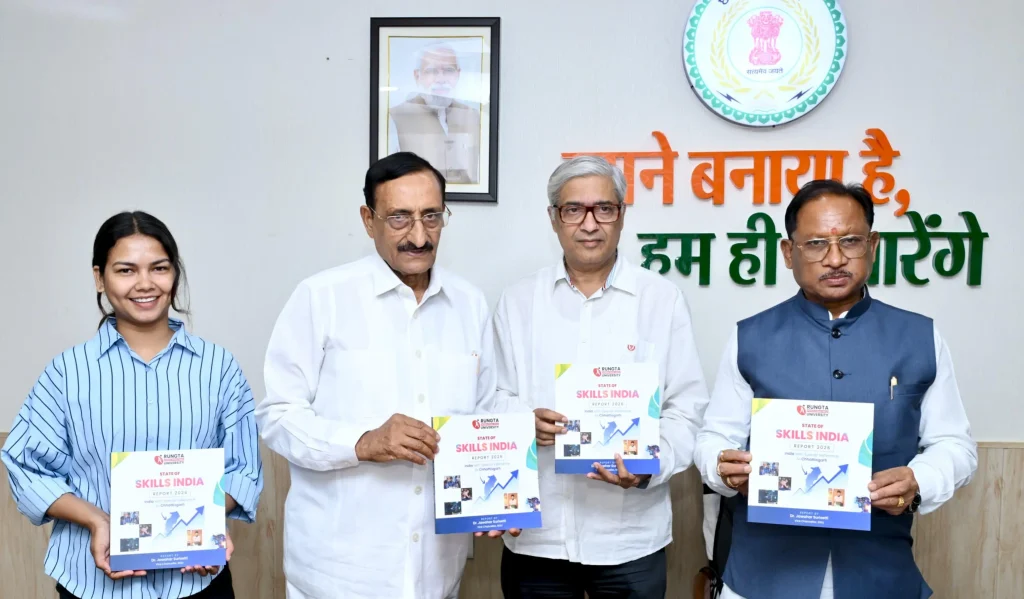 t provides a comprehensive assessment of India’s evolving employability landscape while offering practical recommendations for policymakers, educational institutions, and industry leaders.
A key highlight of the India Skills Report 2026 is its dedicated chapter on Chhattisgarh, presenting an in-depth analysis of the state’s employment trends, industry requirements, emerging skill gaps, and opportunities for strengthening industry-academia collaboration. The report also outlines actionable policy recommendations aimed at enhancing youth employability and aligning education with future workforce demands.
As India’s dedicated Skill University, RISU continues to reinforce its commitment to bridging the gap between education and employment through research-driven initiatives, industry partnerships, and outcome-oriented skill development. The report reflects the university’s vision of transforming skills into sustainable livelihoods while supporting India’s journey towards becoming a globally competitive knowledge economy.
Speaking on the occasion, Dr. Jawahar Surisetti, Vice Chancellor, Rungta International Skills University, emphasized the long-term vision of the initiative:
“The India Skills Report 2026 is envisioned as a national policy document that empowers governments, industries, and educational institutions to make informed decisions. Skilling should go beyond academics—it should become a source of livelihood and economic empowerment for every young Indian.”
The university has announced that the India Skills Report will be published annually, with each edition featuring a dedicated chapter on a different Indian state. This approach will provide region-specific insights while creating a comprehensive national perspective on India’s changing skill landscape.
The launch has also received widespread national recognition, with the initiative being featured by leading media platforms including MSN, Indian Masterminds, Zee News, Dainik Bhaskar, Patrika, Raibhoomi, and Nav Pradesh, highlighting the growing national significance of the report and its contribution to shaping India’s future workforce.
Read Full News:-
📰 Indian Masterminds → https://indianmasterminds.com/news/india-skills-report-2026-chhattisgarh-employability-199979/
Through the India Skills Report 2026, Rungta International Skills University reaffirms its commitment to supporting policymakers, industry stakeholders, and academic institutions with research-backed insights that promote employability, innovation, and inclusive economic growth. The report serves as a valuable resource for building a future-ready workforce and advancing the vision of a Viksit Bharat through skill-driven development.
Vidyarambh 2.0 – Orientation Program 2026
Date: 3–7 August 2026
Venue: Rungta University Campus
Rungta University rolled out the red carpet for its newest batch of students with Vidyarambh 2.0 – Orientation Program 2026, a week-long induction built on energy, insight, and inspiration. Designed as more than a routine welcome, the program set the tone for what students can expect throughout their journey at the university — a blend of academic rigor, real-world exposure, and personal growth.
This wasn’t your average orientation. Vidyarambh 2.0 threw open the doors to the university’s learning ecosystem, industry-driven education, global opportunities, and holistic development programs. Across five action-packed days, students took part in interactive sessions, expert talks, and hands-on activities covering academics, career readiness, leadership, innovation, and campus life. The program was structured to ensure that by the end of the week, every student walked away not just informed, but genuinely inspired to make the most of their time on campus.
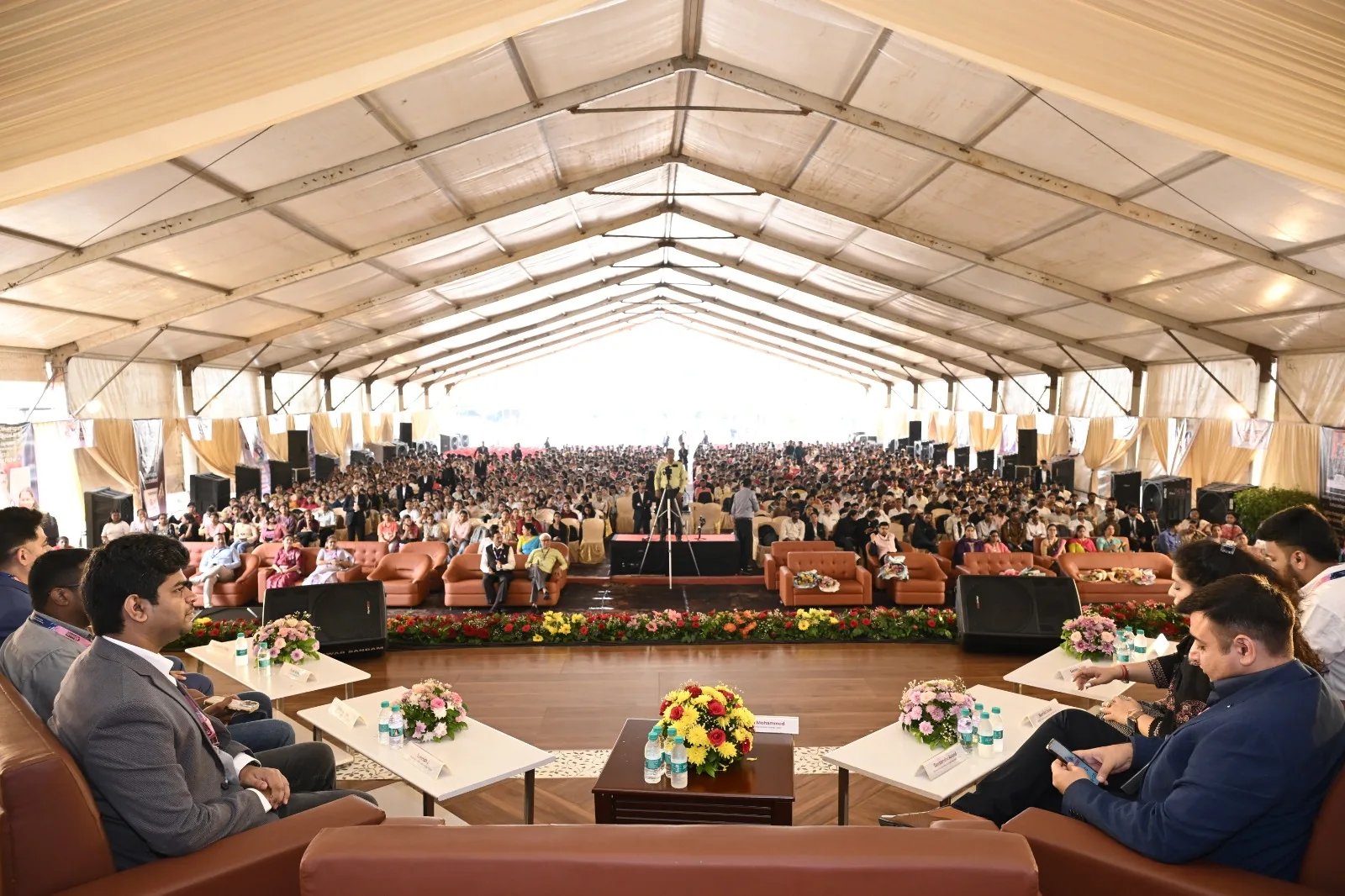
Dignitaries in Attendance
The event drew an impressive lineup of dignitaries, whose presence underscored the scale and significance of the occasion:
- Shri O.P. Choudhary, Hon’ble Finance Minister, Government of Chhattisgarh
- Shri Rikesh Sen, MLA, Vaishali Nagar Constituency
- Shri Ravin Nair, Managing Director, QS I-GAUGE
Their participation stood as clear proof of the university’s commitment to academic excellence and industry collaboration, reinforcing Rungta University’s position as an institution that bridges the gap between education policy, governance, and real-world quality benchmarks.
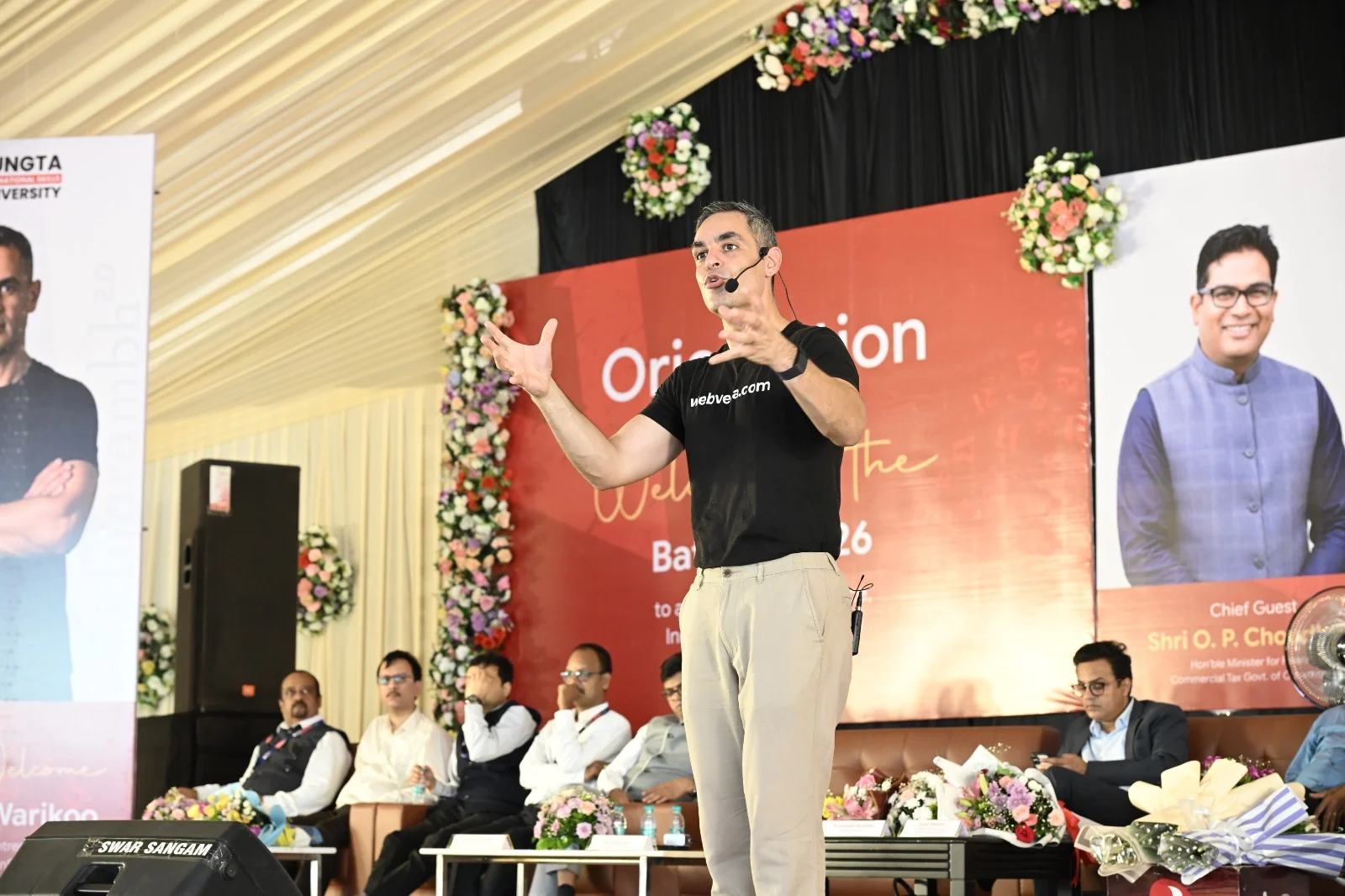
The Showstopper: Ankur Warikoo
The undisputed showstopper of the week? Ankur Warikoo took the stage — and the room didn’t just listen, it leaned in. Entrepreneur, bestselling author, educator, and one of India’s most-followed content creators, Warikoo skipped the fluff and got straight to it. He spoke candidly about how to build a career that actually means something, how to grow up without losing yourself, why money conversations shouldn’t be awkward, and how to make hard decisions without flinching.
His session wasn’t a lecture — it was a conversation, packed with practical, no-nonsense advice on financial literacy, personal growth, and long-term decision-making. No jargon, no filler — just real talk for a room full of students staring down the future, and it’s easy to see why this session became the most talked-about moment of the entire week.
Global Thought Leadership
Going global, the orientation brought in thought leaders from Coursera, Google for Education, and Cambridge University — underlining the university’s ambition to give students more than a local education. Students got face time with experts:
- Manik Kathuria — Coursera
- Padmavathy Joshi — Google for Education
- Robinson Raju — Cambridge University
They broke down international certifications, future-ready skills, global learning pathways, and academic collaborations built to boost employability worldwide. These sessions gave students a clear picture of how global exposure and internationally recognized credentials can shape stronger, more competitive career paths in an increasingly connected world.
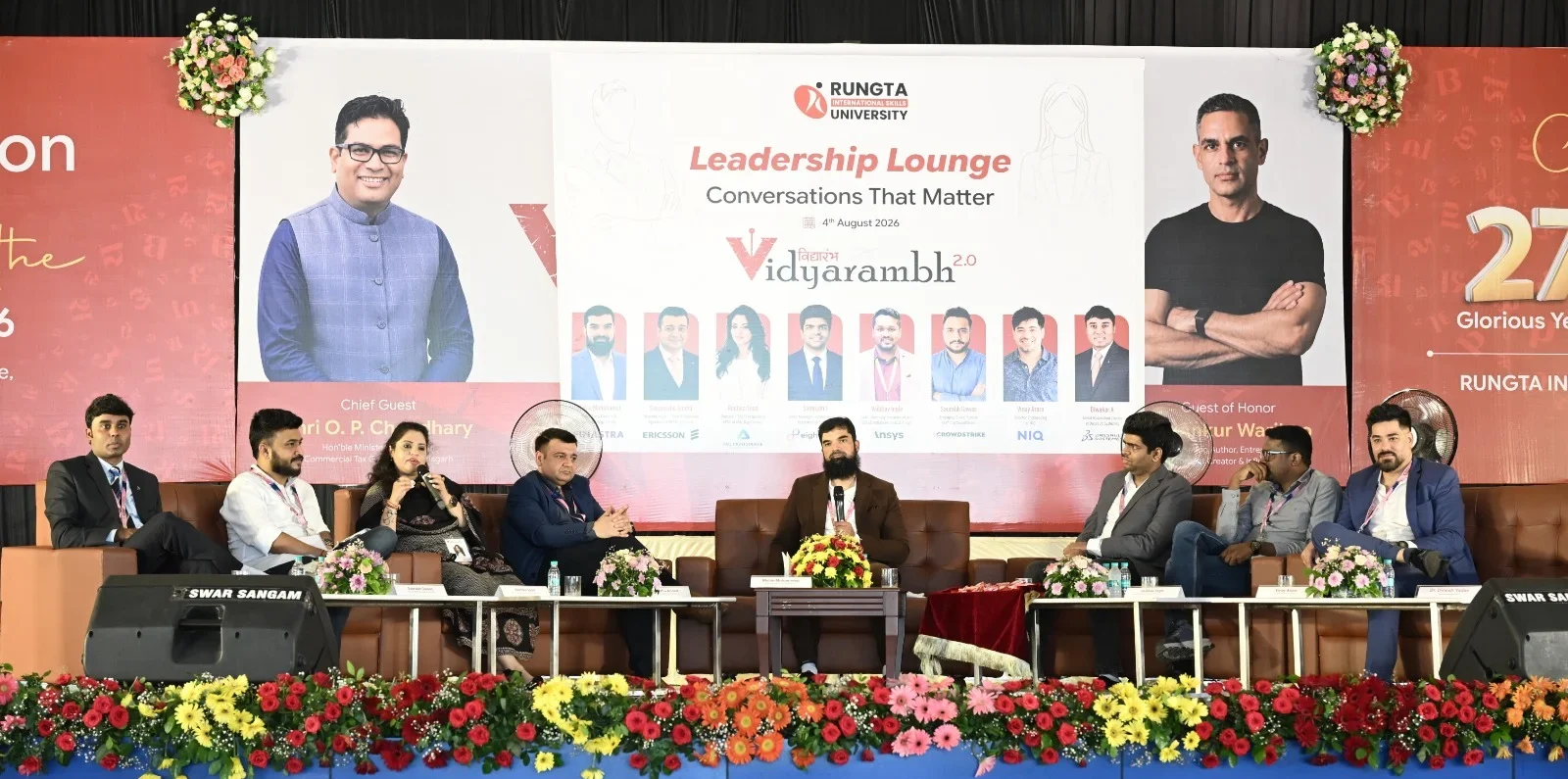
Voices from Industry: HR Leaders Interact with Students
Adding a strong industry dimension to the week, several prominent HR leaders from global organizations joined the orientation and shared valuable messages with students on careers, employability, and the future of work:
- Deepanshu Anand — Regional Head, Talent Acquisition Operations (EMEA), Ericsson
- Reetika Sood — Director, Talent Acquisition APAC, AML RightSource
- Samrudh J — Senior Manager, Global University Recruiting, Eightfold
- Vaibhav Devidas Ingle — India University Recruitment and DEI&B Initiatives Lead, Ansys
- Saurabh Gawas — Emerging Talent Partner, JAPAC, CrowdStrike
- Vinay Arora — Director, Engineering, NIQ
- Diwakar A. — Talent Acquisition Leader, Dassault Systèmes
- Mohin Mohammed — Global Early Careers & Talent Strategy Leader, Finastra
Their interaction with students offered a rare, first-hand look into how global recruiters evaluate talent, the skills that matter most in today’s job market, and what it takes to build a career with international organizations reinforcing Rungta University’s continuing focus on industry connect and employability.
Beginning with Balance: Mental Well-being
Mental well-being got its moment too, with a powerful session titled “Beginning with Balance – Nurturing Mental Well-being for a Meaningful College Journey.” Led by Dr. Kirti Sisodia — Journalist, Podcaster, CEO & Founder of SeePositive WebPortal, Founder of Let’s Connect, and Heartfulness Meditation Trainer — the session drove home the importance of emotional resilience, mindfulness, and balance in university life.
In a world where academic pressure often takes center stage, this session offered students practical tools to manage stress, stay grounded, and approach their college years with a healthier mindset.
Looking Ahead
Taken together, the five days of Vidyarambh 2.0 reflected Rungta University’s larger vision — one where academics, industry relevance, global exposure, and personal well-being are treated as equally important pillars of student development.
Vidyarambh 2.0 kicked off an exciting new chapter at Rungta University — one built on knowledge, skills, global exposure, and the confidence to chase big careers and bigger lives. Here’s to welcoming our new students to a truly transformative journey, and to everything that lies ahead in the years to come.
Rungta International Skills University, Bhilai, successfully organized Rungotsav Film Festival 2026, a vibrant two-day celebration of cinema, storytelling, creativity, and industry interaction. Hosted by the School of Film & Media, the festival brought together acclaimed filmmakers, actors, writers, producers, digital creators, and cinema enthusiasts under one roof, creating an inspiring platform for learning, networking, and creative exchange.
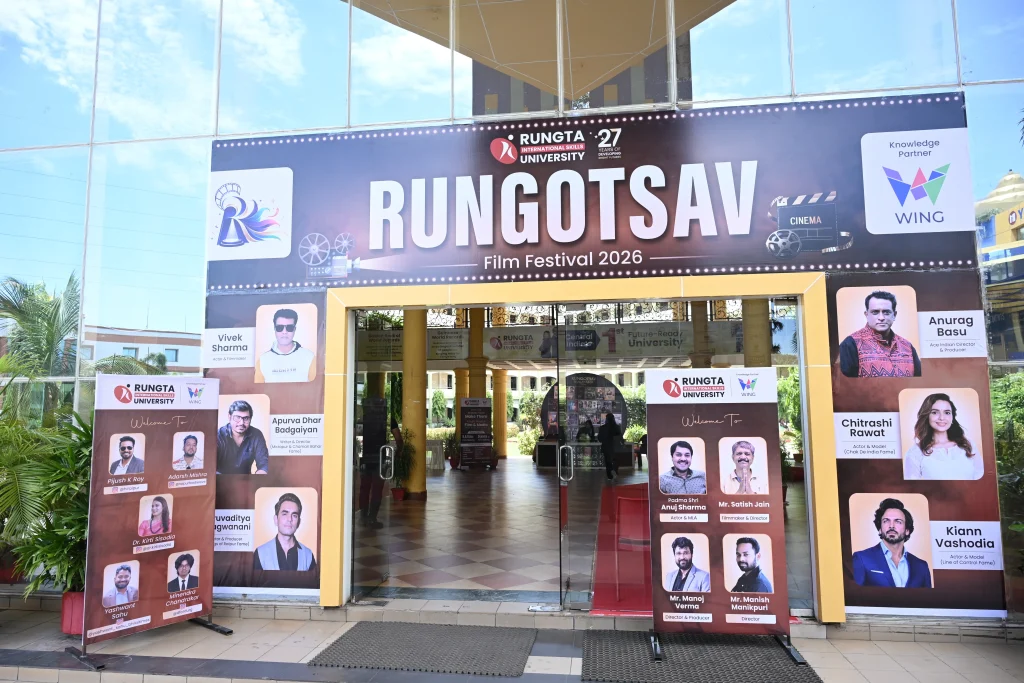
Designed around the theme “Idea to Screen”, Rungotsav provided students and aspiring filmmakers with a unique opportunity to interact directly with renowned personalities from the Indian film industry while exploring the art and business of filmmaking.
Celebrated Film Personalities Graced the Festival
The festival featured several distinguished guests whose remarkable contributions to Indian cinema inspired the audience through engaging interactions and insightful discussions.
Chitrashi Rawat
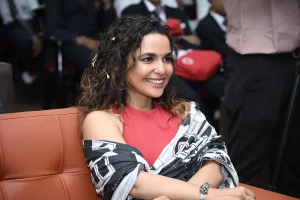
Widely loved for portraying Komal Chautala in the blockbuster film Chak De! India, actress Chitrashi Rawat interacted with students and shared her inspiring journey from sports to cinema. She encouraged aspiring artists to remain dedicated, embrace challenges, and continuously refine their craft.
Vivek Sharma
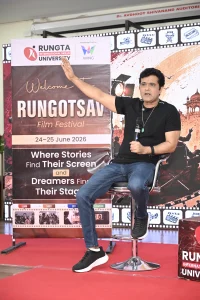
Acclaimed filmmaker Vivek Sharma, best known for directing the Bollywood blockbuster Bhoothnath, shared valuable insights into filmmaking, direction, script interpretation, and working with legendary actors. His session offered students a practical understanding of commercial cinema and the responsibilities of a film director.
Apurva Dhar Badgaiyan
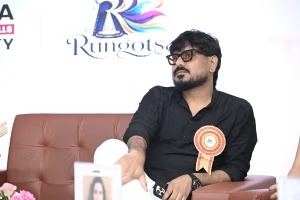
Renowned writer and director Apurva Dhar Badgaiyan, known for his work on Mirzapur and Chaman Bahar, delivered an engaging session on screenplay writing, storytelling, OTT platforms, and creating compelling narratives. His interaction gave aspiring writers a deeper understanding of contemporary content creation.
Kiann Vashodia
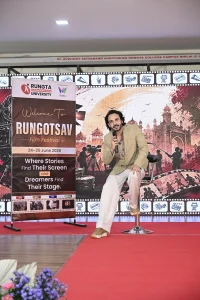
Actor Kiann Vashodia, recognized for his work in films and digital entertainment, motivated students by discussing acting techniques, auditions, and the growing opportunities available across OTT and digital platforms.
Dhruvaditya Bhagwanani
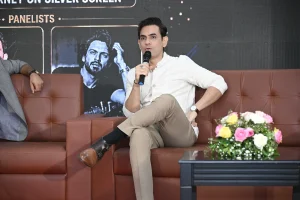
Actor and producer Dhruvaditya Bhagwanani, known for Gangs of Raipur, encouraged young filmmakers to create authentic stories rooted in originality while sharing practical experiences from independent filmmaking.
Honouring the Pride of Chhattisgarhi Cinema
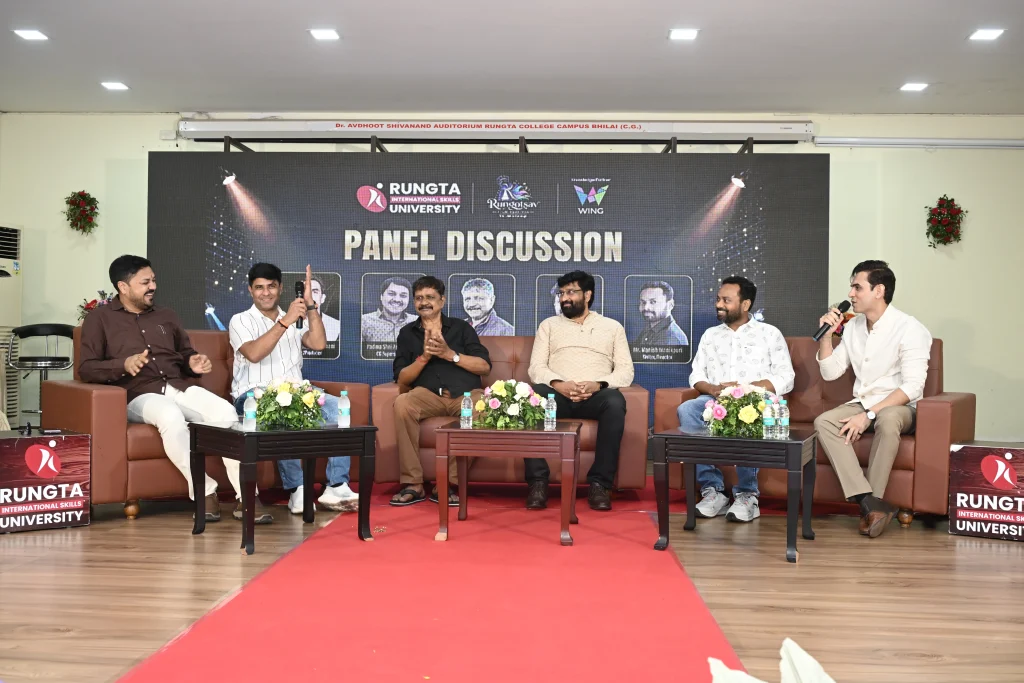
Rungotsav also celebrated the remarkable achievements of regional cinema by welcoming some of the most respected names from the Chhattisgarh film industry.
Padma Shri Anuj Sharma
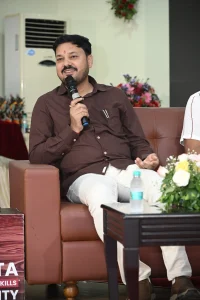
One of the biggest icons of Chhattisgarhi cinema, Padma Shri Anuj Sharma inspired the audience with his remarkable journey as an actor, singer, and public figure. His interaction highlighted the growing recognition of regional cinema on the national stage.
Satish Jain
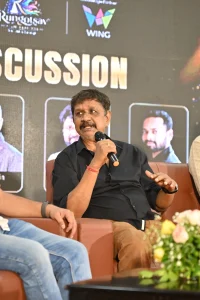
Veteran filmmaker Satish Jain, regarded as one of the pioneers of modern Chhattisgarhi cinema, shared his experiences in filmmaking and emphasized the importance of preserving regional stories through meaningful cinema.
Manoj Verma
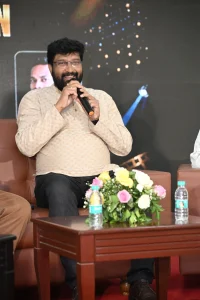
Accomplished filmmaker Manoj Verma interacted with aspiring creators and discussed filmmaking techniques, production challenges, and opportunities in regional cinema.
Manish Manikpuri
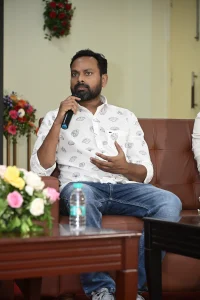
Director Manish Manikpuri spoke about independent filmmaking, creative vision, and the future of regional storytelling, inspiring students to pursue original narratives.
Pitch Lab: Turning Creative Ideas into Reality
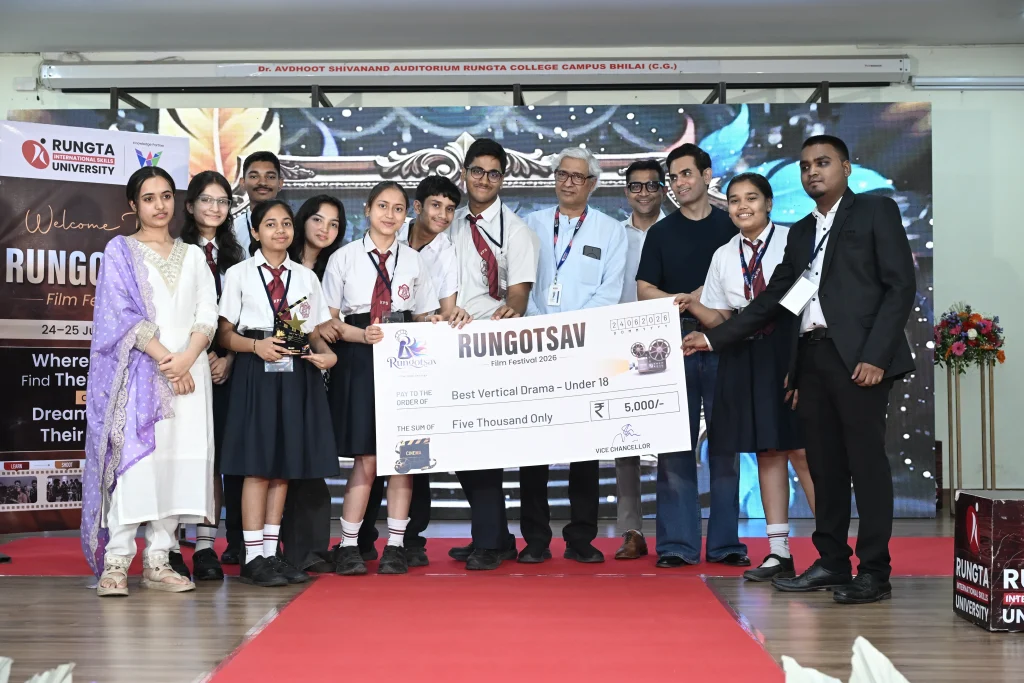
One of the major attractions of the festival was the Rungotsav Pitch Lab, an exclusive initiative that provided aspiring storytellers with the opportunity to present their original ideas directly before experienced industry professionals.
Participants pitched concepts for:
- Short Films
- Feature Films
- Web Series
- Documentaries
- Digital Content
- Vertical Dramas
The platform enabled filmmakers, writers, students, and content creators to receive valuable industry feedback, mentorship, networking opportunities, and guidance for developing promising ideas into future productions.
Digital Creators Added a New Dimension
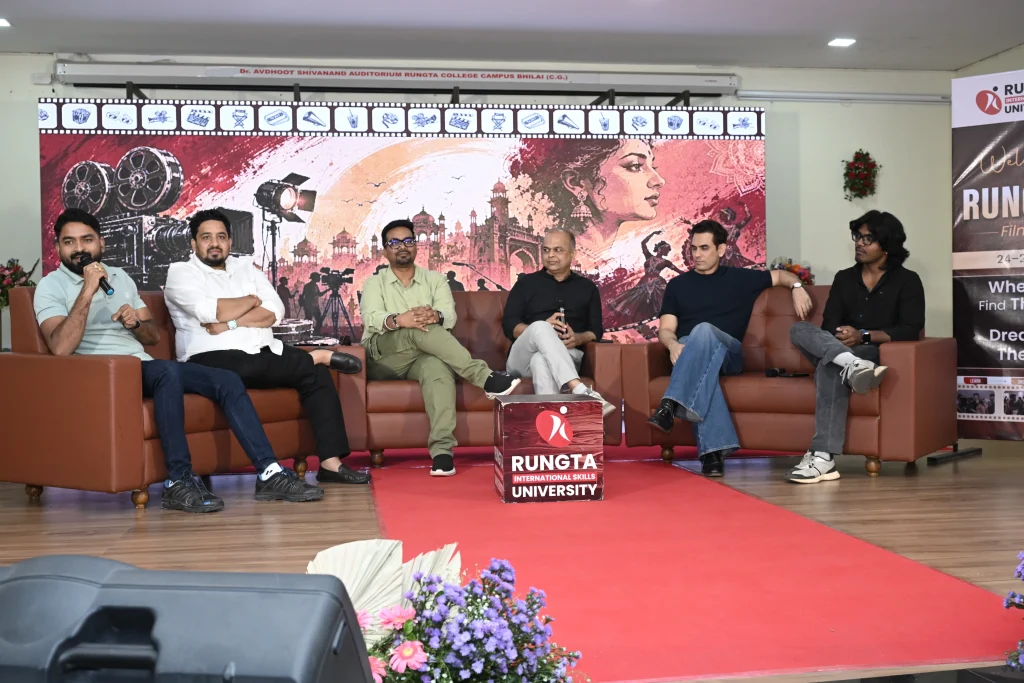
The festival also welcomed several prominent digital creators and social media influencers who amplified the event’s reach through their online communities.
Among them were:
- Pijush K Roy (@hiraipur)
- Adarsh Mishra (@raipurfoodielove)
- Dr. Kirti Sisodia
- Yashwant Sahu (Bhilai Times)
- Minendra Chandrakar
Their participation helped connect the festival with a broader digital audience while encouraging young creators to explore opportunities in content creation and digital storytelling.
An Unforgettable Learning Experience
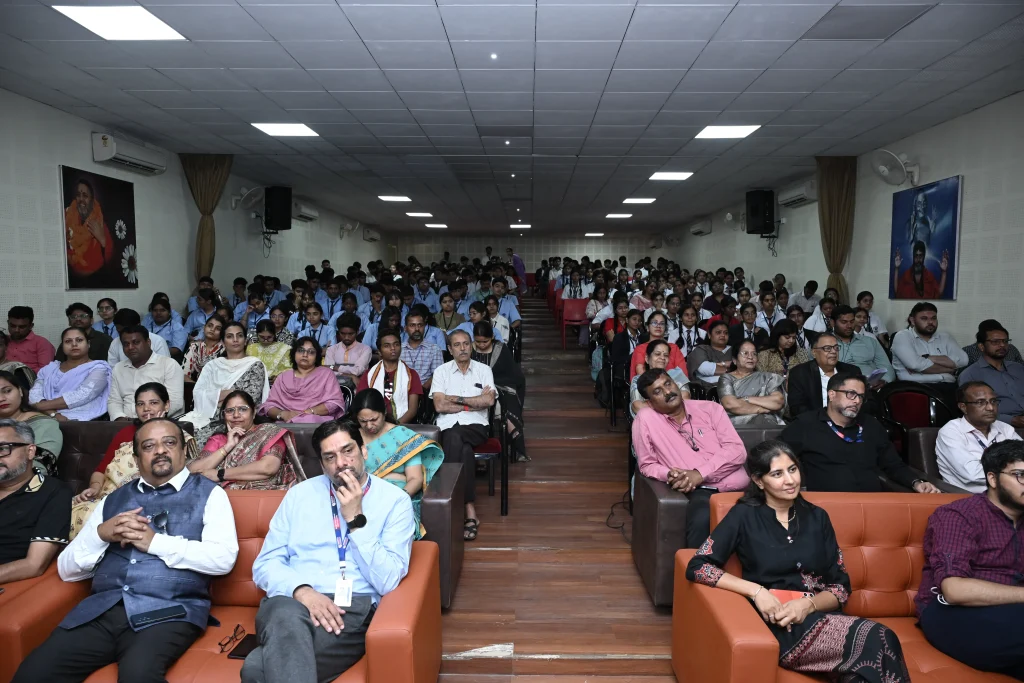
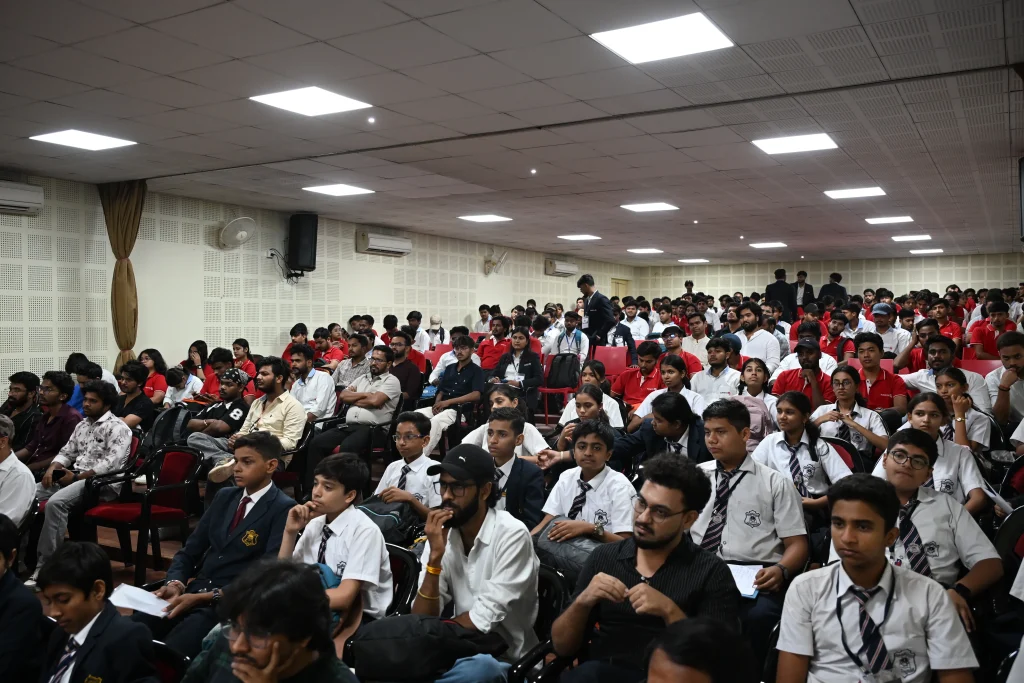
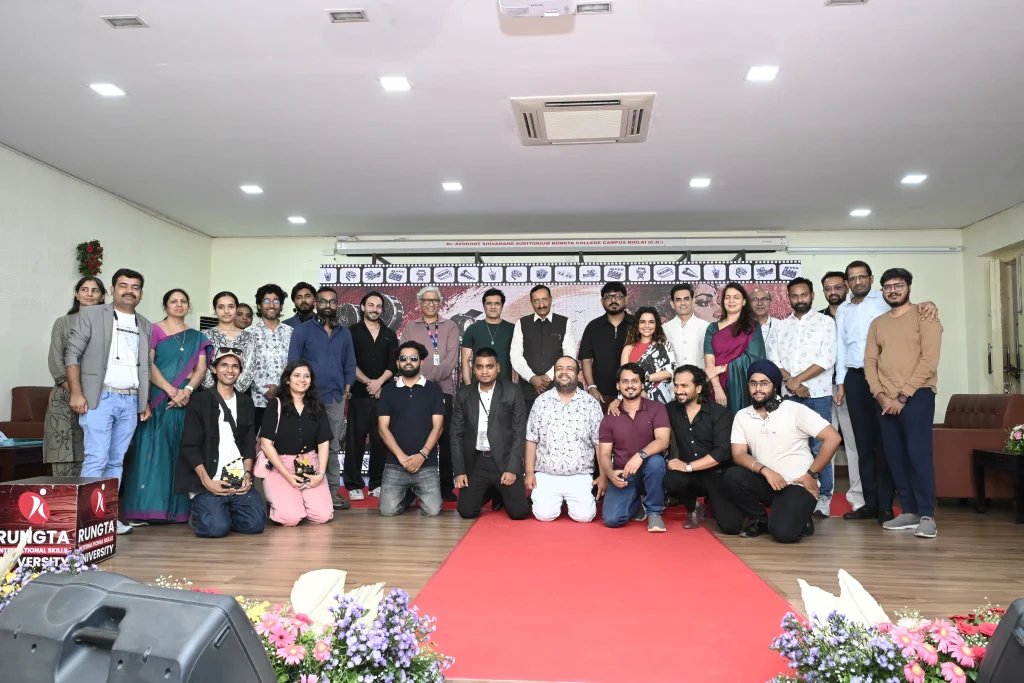
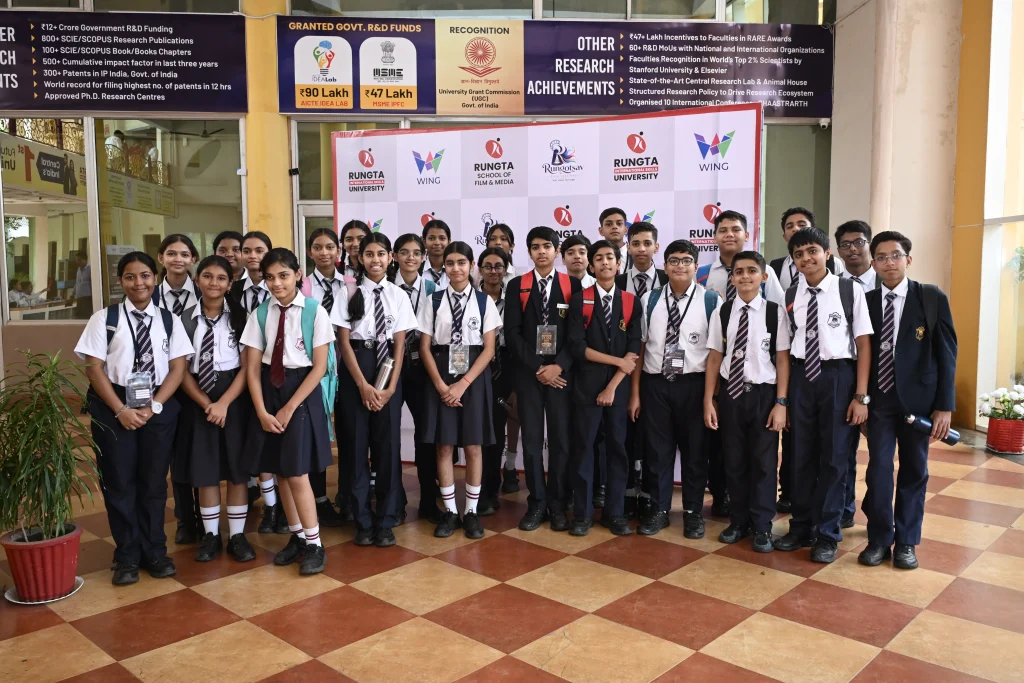
Over two days, students experienced:
- Celebrity interactions
- Masterclasses
- Panel discussions
- Film screenings
- Networking sessions
- Storytelling workshops
- Pitch presentations
The festival provided invaluable exposure by allowing students to engage directly with experienced professionals who have shaped both mainstream and regional cinema.
Nurturing the Next Generation of Storytellers
With its successful conclusion, Rungotsav Film Festival 2026 reaffirmed Rungta International Skills University’s commitment to experiential learning, creative excellence, and industry collaboration. The event strengthened the University’s vision of preparing future filmmakers, writers, actors, and content creators through meaningful interaction with accomplished professionals.
Rungotsav continues to emerge as a unique platform where education meets industry, empowering young storytellers to transform their ideas into impactful cinematic experiences.